
When Medication Alone Is Not Enough
Treatment-resistant depression affects roughly 1 in 3 people treated for depression. CARMAhealth's board-certified psychiatrists offer advanced options, including TMS, Spravato, and ketamine therapy, to help you find the relief you deserve.

Not a Dead End, a New Starting Point
If you have tried two or more antidepressant medications without finding adequate relief, you may have treatment-resistant depression. This does not mean your condition is untreatable. It means the standard first-line approaches have not been the right fit for your brain chemistry. Treatment-resistant depression is more common than most people realize, affecting nearly one in three people who seek treatment for depression. Advances in neuroscience have opened new paths forward, from non-invasive brain stimulation to rapid-acting therapies that work through entirely different pathways than traditional antidepressants. The next step is a thorough evaluation to understand why previous treatments fell short and which advanced options are the best fit for you.
What the Research Shows
Treatment-resistant depression is far more common than most people realize. According to a comprehensive review in the journal World Psychiatry, approximately 30 percent of individuals treated for major depressive disorder do not respond adequately to standard antidepressant medications. In the United States alone, that translates to roughly 2.8 million adults living with depression that has not improved despite trying multiple medications. The annual economic burden attributed to TRD is estimated at $43.8 billion, nearly half the total cost of all medication-treated depression in the country.
The Mayo Clinic notes that treatment resistance does not reflect a personal failing. Differences in brain chemistry, genetics, and co-occurring health conditions all influence how individuals respond to antidepressants. The good news is that newer treatments target entirely different brain pathways. TMS therapy, FDA-cleared for depression since 2008, uses magnetic pulses to stimulate brain regions involved in mood regulation. Clinical studies report response rates of 38 to 55 percent in patients with treatment-resistant depression.
In 2019, the FDA approved Spravato (esketamine), the first medication in decades to treat depression through a fundamentally new mechanism, targeting NMDA glutamate receptors rather than serotonin or norepinephrine. For patients seeking a more integrated approach, ketamine therapy combines the rapid-acting effects of ketamine with structured therapeutic support. At CARMAhealth, your board-certified psychiatrist evaluates your full treatment history during a thorough psychiatric evaluation and recommends the approach most likely to help.
Paths Forward for Treatment-Resistant Depression
TMS Therapy
FDA-cleared, non-invasive brain stimulation that targets brain regions involved in mood regulation. Daily sessions over four to six weeks, with response rates of 38 to 55 percent in TRD patients.
Learn moreSpravato (Esketamine)
The first FDA-approved medication for treatment-resistant depression in decades. A nasal spray administered in-office that works through a completely different brain pathway than traditional antidepressants.
Learn moreKetamine Therapy
Psychiatrist-supervised ketamine combined with structured therapeutic support. Rapid-acting relief for patients who have not responded to other approaches, with results often seen within one to six sessions.
Learn moreView All Services
Explore every treatment we offer and find the right care path.
Browse servicesMost Major Plans Accepted
We accept 15+ insurance plans and offer self-pay options for services not covered by insurance.
Aetna · BCBS · Cigna · United Healthcare · Humana · and 6 more
Frequently Asked Questions About TRD
Treatment-resistant depression, or TRD, is generally defined as major depression that has not improved after adequate trials of at least two different antidepressant medications. Roughly 30 percent of people treated for depression meet this definition. It does not mean your depression is untreatable. It means standard first-line medications have not been the right fit, and more targeted approaches may be needed.
Your psychiatrist will review your full treatment history, including which medications you have tried, the dosages used, how long you took each one, and whether you experienced any partial improvement. They will also rule out other factors that could be affecting your response, such as an incorrect initial diagnosis, medication interactions, or co-occurring conditions like anxiety or a thyroid disorder.
Several evidence-based options exist beyond standard antidepressants. TMS therapy uses magnetic pulses to stimulate brain regions involved in mood regulation and is FDA-cleared for depression. Spravato (esketamine) is an FDA-approved nasal spray that works through a different brain pathway than traditional antidepressants. Ketamine therapy combines the rapid-acting effects of ketamine with structured therapeutic support. Your psychiatrist may also explore medication augmentation or combination strategies.
Many insurance plans now cover TMS therapy specifically for treatment-resistant depression. Coverage typically requires documentation of prior medication trials that did not provide adequate relief. Spravato is also covered by many insurers as an FDA-approved treatment. CARMAhealth accepts 15+ insurance plans and handles verification on your behalf. Visit our insurance page or call (512) 212-4670 for details.
Timelines vary by treatment. TMS therapy typically involves daily sessions over four to six weeks, with many patients noticing improvement within the first two to three weeks. Spravato is administered twice weekly initially, with some patients reporting improvement within hours to days. Ketamine therapy often shows results within one to six sessions. Your psychiatrist will monitor your progress and adjust the plan as needed.
Board-Certified Psychiatrists Leading Your Care
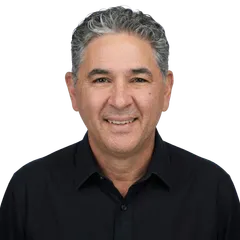
At CARMAhealth, every treatment plan for treatment-resistant depression is designed and supervised by a board-certified psychiatrist or psychiatric nurse practitioner. From evaluating your medication history to recommending advanced treatments like TMS or Spravato, your care is guided by a licensed specialist with deep expertise in treatment-resistant conditions.




Start Feeling Like Yourself Again
Whether you're exploring treatment for the first time or looking for a new practitioner, our psychiatrists are here to listen.
Accepting new patients · 15+ insurance plans accepted · Telehealth available